
The undercarriage is one of the most heavily stressed parts of a mini excavator.
Tracks, rollers, idlers, sprockets and related components continuously absorb machine weight, travel loads and turning forces.
Poor operating habits or incorrect maintenance can accelerate wear and increase downtime.
The good news is that most undercarriage wear can be managed through correct track adjustment, regular cleaning, proper operating techniques and early inspection.
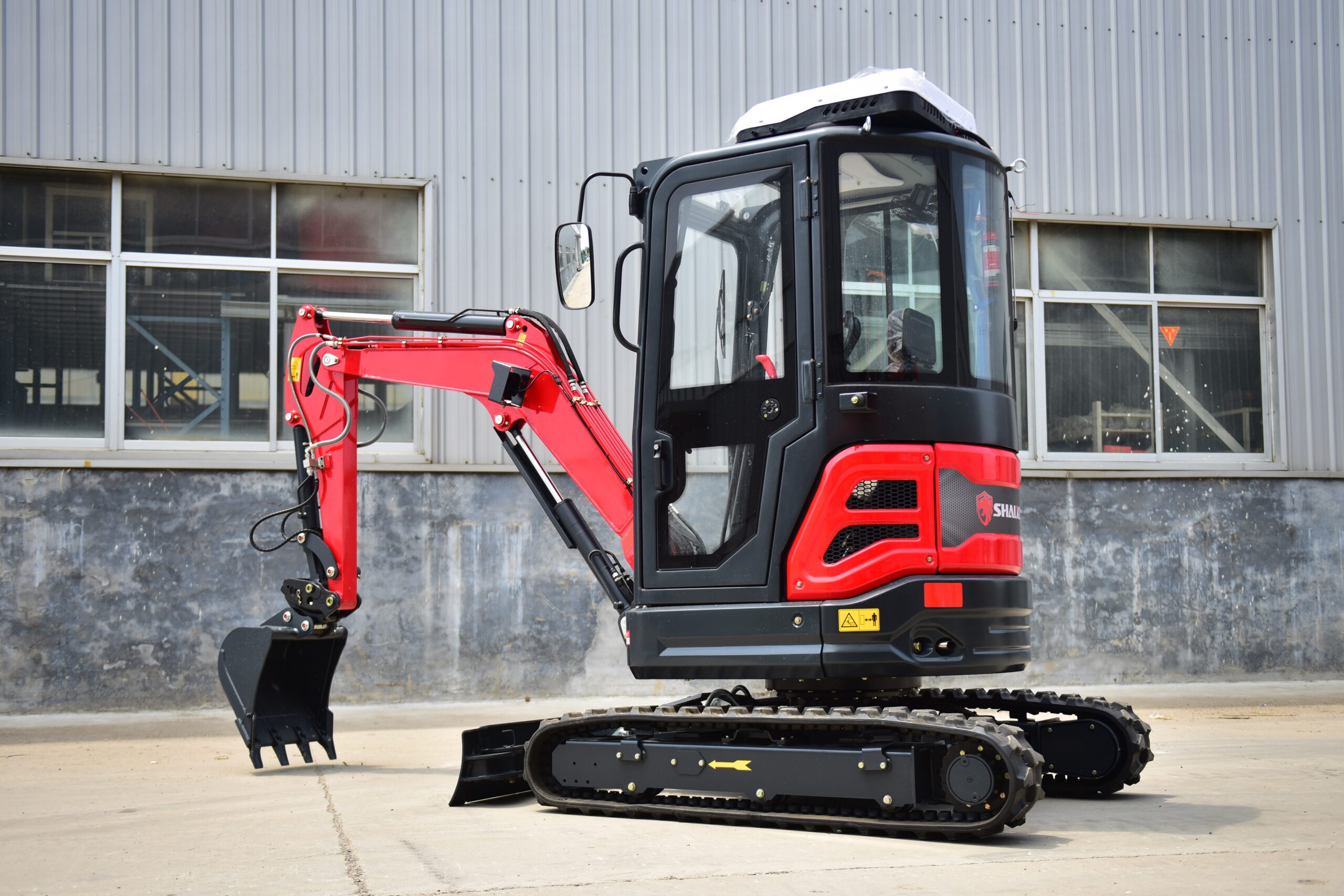
1. Keep Track Tension Within the Recommended Range
Track tension has a direct effect on undercarriage life.
- Too tight:increases friction and loads on track components.
- Too loose:can cause track misalignment, slipping or derailment.
- Correct tension:allows the track to move smoothly while maintaining proper engagement with the sprocket.
The correct sag or tension varies by machine design, so operators should always follow the mini excavator manufacturer’s operating and maintenance manual rather than using a universal measurement.
2. Clean the Undercarriage Regularly
Mud, rocks, sand and other debris can become trapped between the tracks, rollers and sprockets.
This prevents components from moving freely and can accelerate mechanical wear.
After working in muddy or abrasive conditions:
- Remove packed soil and stones.
- Clean around rollers and sprockets.
- Check that rollers rotate normally.
- Inspect the track for cracks, cuts or abnormal damage.
Regular cleaning is particularly important when working in wet clay or soil that easily packs into the undercarriage.
3. Avoid Excessive High-Speed Travel
Traveling at high speed increases the number and intensity of impacts experienced by the undercarriage.
Frequent high-speed reversing can be especially demanding on tracks and sprockets.
For most excavation work, use a controlled travel speed and avoid unnecessary long-distance travel.
This reduces mechanical stress while also improving operator control.
4. Reduce Sharp and Repeated Turns
Turning creates additional lateral forces between the tracks and the ground.
Repeated sharp turns, especially on hard or abrasive surfaces, can accelerate track and roller wear.
A better practice is to:
- Make gradual turns whenever possible.
- Avoid unnecessary counter-rotation.
- Alternate turning directions during repetitive work.
- Avoid spinning one track while the other remains stationary.
This is especially important when operating on concrete, gravel or other hard surfaces.
5. Match Operation to Ground Conditions
Undercarriage wear is strongly influenced by the working environment.
Rocky, abrasive and wet conditions generally create greater stress than clean, soft soil.
Operators should therefore adjust their working methods according to the terrain.
When possible, avoid unnecessary travel over sharp rocks and minimize track spinning in loose material.
6. Inspect Key Components Before Problems Become Serious
A short daily inspection can prevent small wear problems from becoming expensive repairs.
Check:
- Track shoes or rubber tracks
- Rollers and carrier rollers
- Front idlers
- Sprockets
- Track bolts and hardware
- Track alignment
- Final-drive area for leaks
- Unusual looseness, noise or vibration
Uneven wear can indicate incorrect tension, operating habits or another underlying problem.
Early detection makes corrective maintenance easier and can reduce unexpected downtime.
7. Use the Right Maintenance Strategy
Undercarriage components should be treated as a complete system rather than individual parts.
Tracks, rollers, idlers and sprockets work together, so excessive wear in one component can affect the others.
Instead of waiting until a component fails, monitor wear regularly and schedule maintenance based on the machine’s operating hours, working conditions and manufacturer’s recommendations.
This approach can help control maintenance costs and extend component life.
Final Thoughts
Reducing mini excavator undercarriage wear does not require complicated procedures.
The key is to maintain correct track tension, clean debris regularly, avoid unnecessary high-speed travel and sharp turns, adapt operation to ground conditions, and inspect components consistently.
For mini excavator owners and contractors, these simple practices can improve machine reliability, reduce maintenance costs and help extend the useful life of the undercarriage.

