
Mini excavators have become essential equipment for construction, landscaping, agriculture, and utility projects due to their compact size and versatility. For many buyers, one of the most important questions before purchasing is: How long does a mini excavator last?
The answer depends on several factors, including machine quality, operating conditions, maintenance practices, and overall usage. Understanding the expected lifespan of a mini excavator can help owners maximize their investment and reduce long-term operating costs.
Average Lifespan of a Mini Excavator
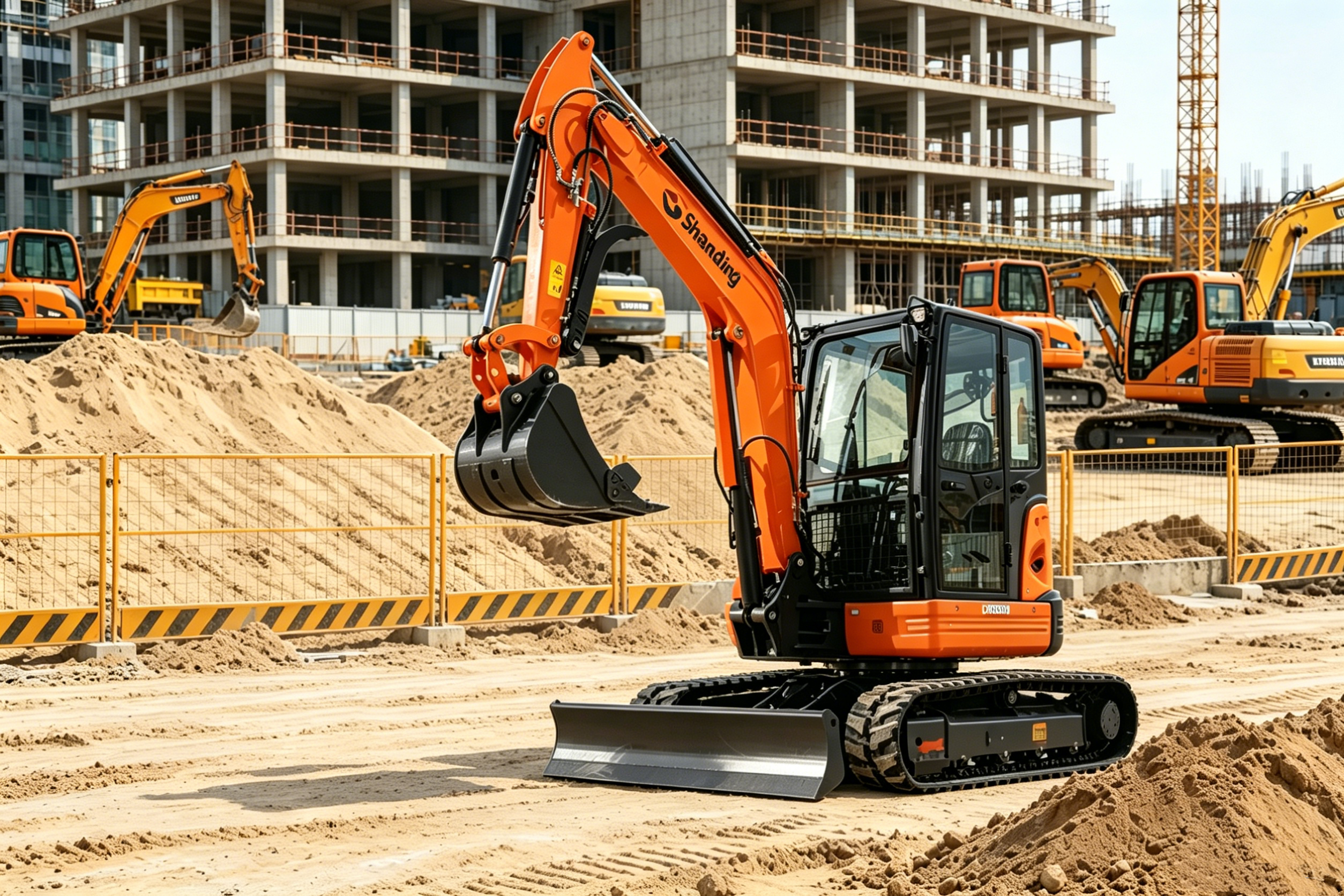
A well-built mini excavator typically lasts between 6,000 and 10,000 operating hours before requiring major component overhauls. Premium models that receive proper maintenance can even exceed 12,000 hours of service life.
To put this into perspective:
- Light-duty use: 300–500 hours per year
- Moderate commercial use: 500–1,000 hours per year
- Heavy-duty rental or construction use: 1,000–1,500+ hours per year
For an owner operating 500 hours annually, a quality mini excavator could remain productive for 15 to 20 years.
Key Factors That Affect Excavator Lifespan
1. Machine Quality
The quality of manufacturing plays a major role in durability. Excavators built with high-strength steel structures, reliable hydraulic systems, and proven engines generally experience less wear and fewer failures over time.
The undercarriage, boom, arm, and hydraulic components are particularly important because they endure the highest stress during operation.
2. Maintenance Practices
Regular maintenance is often the difference between a machine lasting 5,000 hours and one reaching 10,000 hours or more.
Important maintenance tasks include:
- Engine oil replacement
- Hydraulic oil inspection
- Air filter cleaning
- Fuel filter replacement
- Greasing all pivot points
- Track tension adjustment
- Cooling system maintenance
Neglecting maintenance accelerates wear and increases the likelihood of costly repairs.
3. Operating Environment
Working conditions significantly impact machine longevity.
Excavators operating in:
- Rocky terrain
- Muddy environments
- Extreme temperatures
- Dusty construction sites
will generally experience faster wear than machines used on softer ground or lighter-duty applications.
4. Operator Skill
Even the best machine can suffer premature wear when operated incorrectly.
Common mistakes include:
- Aggressive digging techniques
- Overloading the bucket
- Frequent high-speed travel
- Sudden hydraulic movements
- Ignoring warning indicators
Proper operator training can significantly extend equipment life and reduce repair costs.
Which Components Wear Out First?
Different components age at different rates.
Undercarriage
The undercarriage is often the first major wear area because it constantly contacts the ground.
Typical lifespan:
- Rubber tracks: 1,500–3,000 hours
- Steel tracks: 3,000–5,000 hours
Hydraulic Hoses
Hydraulic hoses gradually deteriorate due to pressure cycles and environmental exposure.
Typical lifespan:4–8 years depending on usage
Pins and Bushings
Pins and bushings experience continuous friction during digging operations.
Regular greasing can dramatically extend their service life.
Signs Your Mini Excavator Is Aging
As a machine approaches the end of its service life, owners may notice:
- Reduced digging power
- Hydraulic leaks
- Increased fuel consumption
- Engine starting difficulties
- Excessive smoke
- Structural cracks
- Frequent repairs
These symptoms indicate that major components may require rebuilding or replacement.
How to Extend the Life of Your Mini Excavator
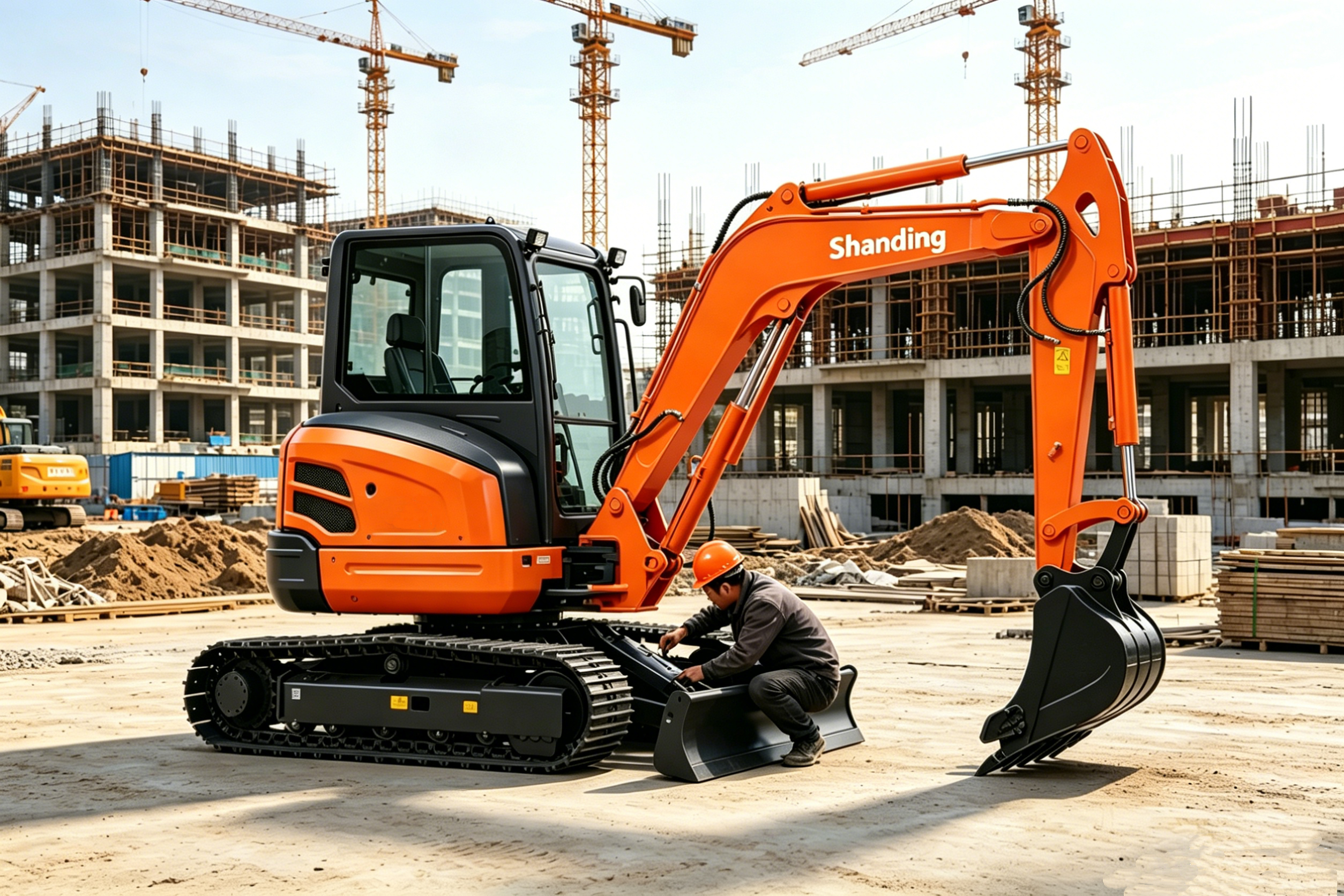
To maximize equipment lifespan, owners should:
- Follow the manufacturer’s maintenance schedule.
- Use high-quality lubricants and filters.
- Inspect hydraulic systems regularly.
- Clean the machine after work.
- Store equipment under cover when possible.
- Train operators on proper techniques.
- Replace worn components before failure occurs.
Preventive maintenance is always less expensive than major repairs.
Conclusion
A quality mini excavator is a long-term investment capable of delivering thousands of productive working hours. While most machines are designed to operate for 6,000 to 10,000 hours or more, actual lifespan depends heavily on maintenance, operating conditions, and machine quality.
By choosing a reliable manufacturer and following proper maintenance procedures, owners can significantly extend equipment life, reduce downtime, and achieve a higher return on investment.

