
Introduction
Mini excavators have become one of the most versatile and cost-effective machines in modern construction, landscaping, agriculture, and utility work. Their compact size, excellent maneuverability, and lower operating costs make them a preferred choice for contractors and property owners worldwide.
However, choosing the right mini excavator is not as simple as selecting the cheapest model available.
A machine that is too small may struggle with productivity, while an oversized excavator can increase fuel consumption, transportation costs, and maintenance expenses.
This guide explains the key factors to consider when selecting a mini excavator and helps you determine which machine best suits your project requirements.
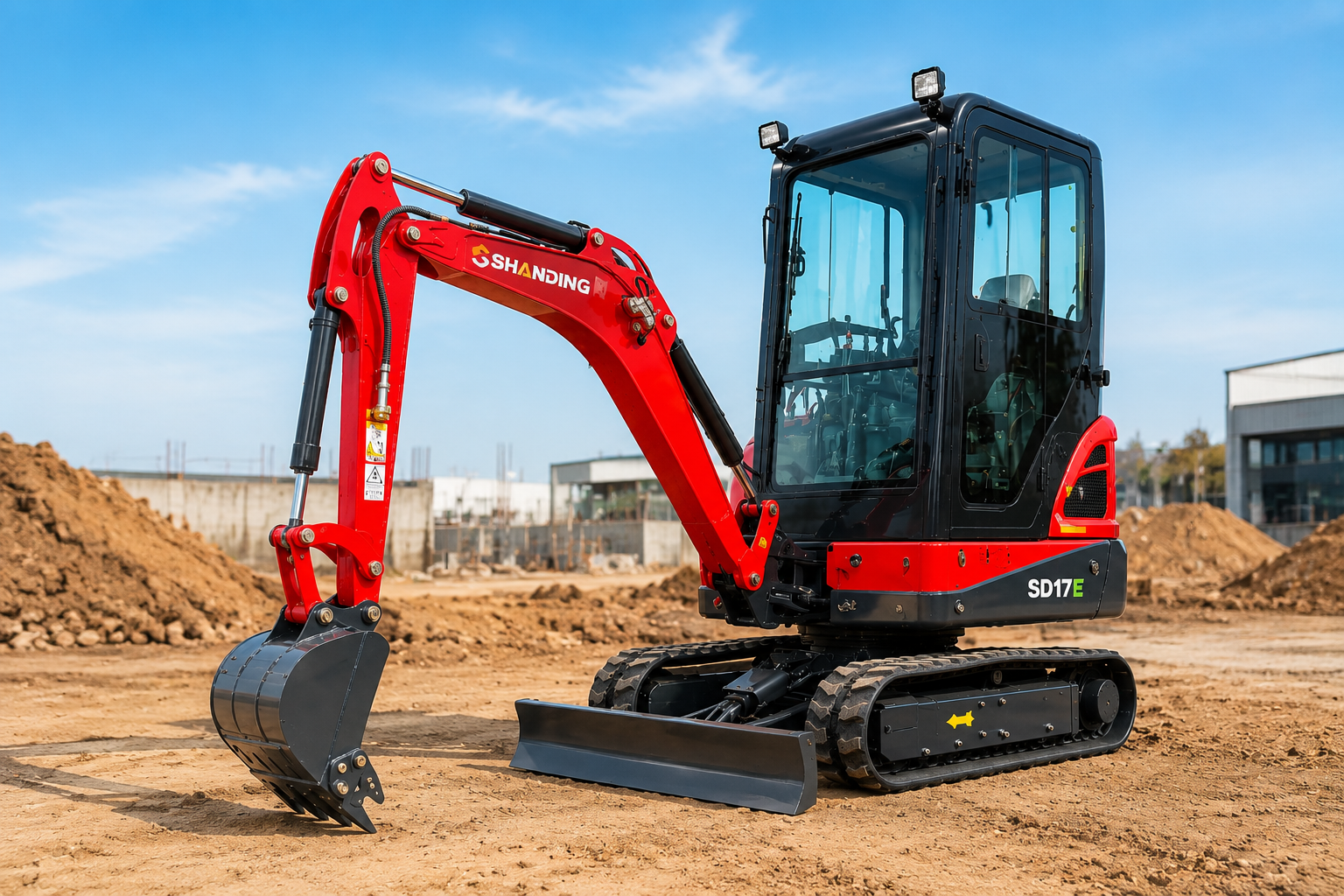
Why Choosing the Right Mini Excavator Matters
The performance of an excavator directly impacts project efficiency, operating costs, and jobsite safety.
Selecting the correct machine can help you:
- Complete projects faster
- Reduce fuel consumption
- Lower maintenance expenses
- Improve operator comfort
- Increase overall profitability
- Extend equipment lifespan
According to construction equipment experts, machine utilization and proper sizing are among the most important factors affecting return on investment (ROI).
Step 1: Understand Your Project Requirements
Before comparing specifications, clearly define the type of work the excavator will perform.
Ask yourself:
What materials will you handle?
Different applications require different digging forces.
Examples:
- Soft soil and landscaping
- Clay excavation
- Trenching
- Demolition work
- Rock breaking
- Farm maintenance
Projects involving hard ground or demolition typically require greater bucket breakout force and hydraulic power.
How deep do you need to dig?
Digging depth is one of the most important specifications.
Typical requirements:
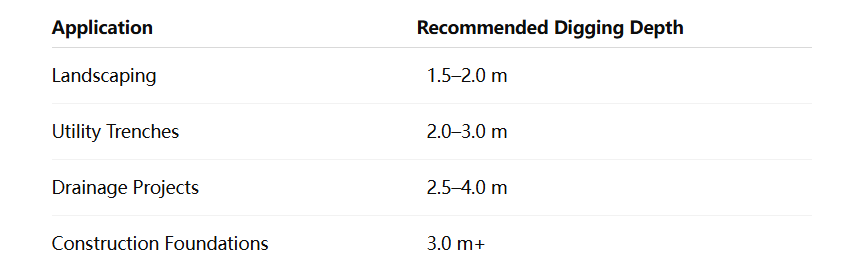
Choosing a machine with insufficient digging depth can significantly reduce productivity.
Step 2: Select the Appropriate Operating Weight
Mini excavators are commonly categorized by operating weight.
0.8–1.2 Ton Mini Excavators
Best for:
- Residential landscaping
- Small gardens
- Greenhouses
- Indoor demolition
- Narrow access areas
Advantages:
- Easy transportation
- Low fuel consumption
- Compact dimensions
- Reduced ground pressure
1.5–2.0 Ton Mini Excavators
Best for:
- Small contractors
- Utility installation
- Farm applications
- General excavation
Advantages:
- Balanced power and maneuverability
- Versatile performance
- Popular worldwide
This category is often considered the best choice for buyers seeking a multi-purpose machine.
2.5–4.0 Ton Mini Excavators
Best for:
- Commercial construction
- Heavy trenching
- Municipal projects
- Larger earthmoving tasks
Advantages:
- Higher lifting capacity
- Greater digging force
- Enhanced hydraulic performance
Step 3: Evaluate Jobsite Accessibility
One of the main reasons contractors choose mini excavators is their ability to work in confined spaces.
Measure:
- Gate widths
- Alleyways
- Building entrances
- Greenhouse pathways
- Backyard access points
Many projects fail to account for machine width before purchase.
For example, a 1-ton excavator may pass through a standard residential gate, while a 3-ton machine may not.
Always verify:
- Machine width
- Transport width
- Tail swing radius
- Boom swing capabilities
Step 4: Consider Digging Force and Hydraulic Performance
Hydraulic power determines how effectively the excavator can perform demanding tasks.
Important specifications include:
Bucket Breakout Force
This indicates how much force the bucket can generate when digging.
Higher breakout force is beneficial for:
- Compact soil
- Clay
- Gravel
- Rocky conditions
Auxiliary Hydraulic Flow
Modern mini excavators often support attachments such as:
- Hydraulic breakers
- Augers
- Grapples
- Rippers
- Trenchers
If you plan to use multiple attachments, choose a machine with sufficient hydraulic flow and pressure.
A powerful hydraulic system increases machine versatility and expands the range of applications.
Step 5: Evaluate Fuel Efficiency and Operating Costs
Purchase price represents only a portion of total ownership costs.
Long-term expenses include:
- Fuel
- Maintenance
- Spare parts
- Transportation
- Repairs
A reliable engine and efficient hydraulic system can substantially reduce operating costs over the machine’s lifetime.
Many professional buyers calculate Total Cost of Ownership (TCO) before making a purchasing decision.
Step 6: Verify Spare Parts and After-Sales Support
Even the best excavator requires maintenance.
Before purchasing, confirm:
- Spare parts availability
- Technical support
- Warranty coverage
- Service response time
Reliable after-sales support helps minimize downtime and protects your investment.
Why More Buyers Are Choosing Chinese Mini Excavators
In recent years, Chinese manufacturers have made significant advancements in engineering, manufacturing quality, and global service capabilities.
Buyers increasingly choose Chinese mini excavators because they offer:
- Competitive pricing
- Modern hydraulic systems
- Durable construction
- Wide attachment compatibility
- Strong return on investment
For many contractors, the combination of performance and affordability makes Chinese mini excavators an attractive alternative to higher-priced brands.
Why Choose Shanding Mini Excavators?
At Shanding, we focus on delivering compact excavators that combine durability, efficiency, and value.
Our mini excavators are designed for:
- Landscaping projects
- Farm operations
- Construction sites
- Utility installation
- Property maintenance
Key advantages include:
- Robust steel structure
- Reliable hydraulic systems
- Multiple attachment options
- Easy maintenance
- Competitive factory-direct pricing
Whether you need a compact 1-ton excavator for residential projects or a more powerful machine for demanding applications, Shanding provides solutions tailored to your business needs.
Conclusion
Choosing the right mini excavator requires careful evaluation of project requirements, operating weight, hydraulic performance, accessibility, attachments, and long-term ownership costs.
The best excavator is not necessarily the largest or the cheapest—it is the machine that delivers the highest productivity and value for your specific application.
By understanding these factors and partnering with a reliable manufacturer such as Shanding, you can make an informed investment that improves efficiency and supports long-term business growth.

